OUR PROJECTS
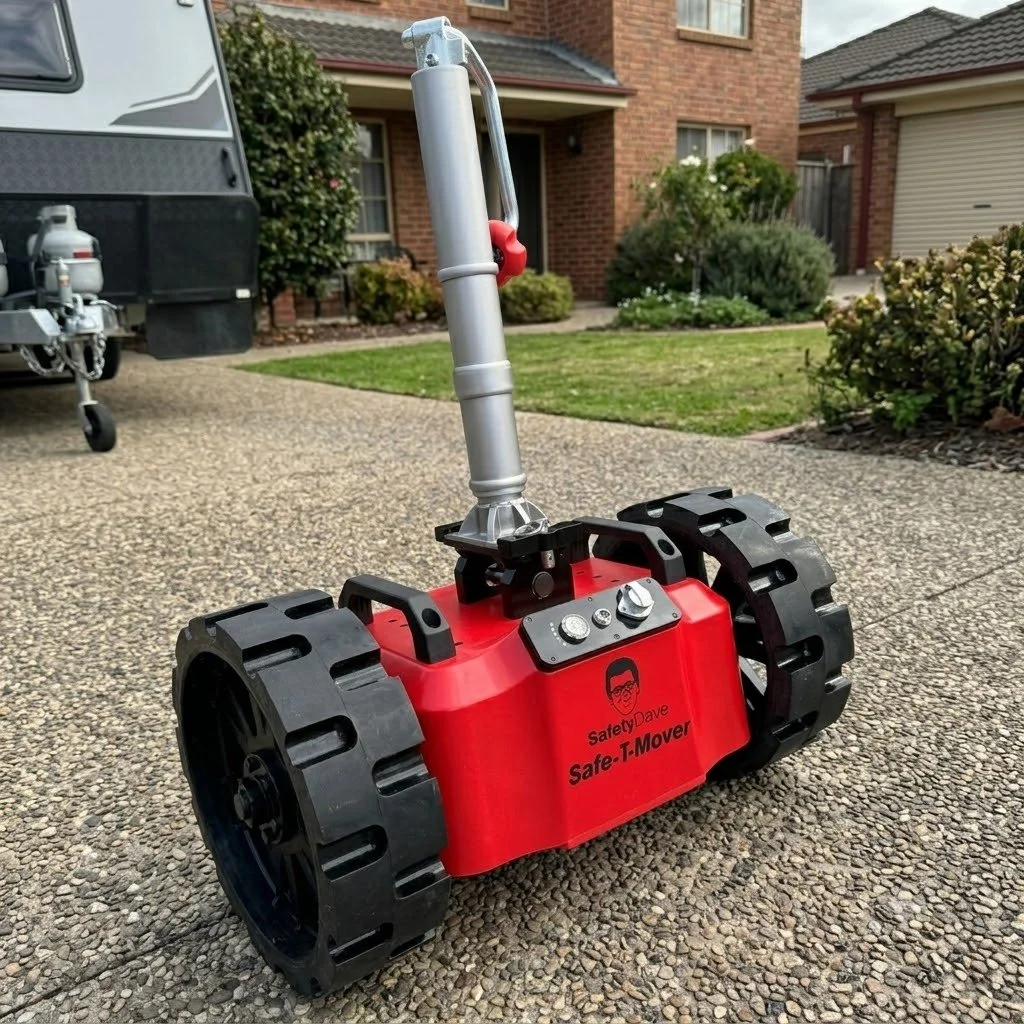
One of our original projects at Cyborg is now in full rate production and already kicking goals.
The brief was simple but very challenging: Build the best power to weight ratio mover on the market so it can be lifted by a retiree, and still move a dual axle caravan in the majority of terrains.
Whilst simple this turned into a ground up project with:
- Custom drive train,
- Custom safety features to manage the power systems
- Full Finite Element Analysis for mass optimisation on all metal components,
- Onboard smart sensing
- Tool-less mechanical interfaces
- Tooling design for mass manufacture
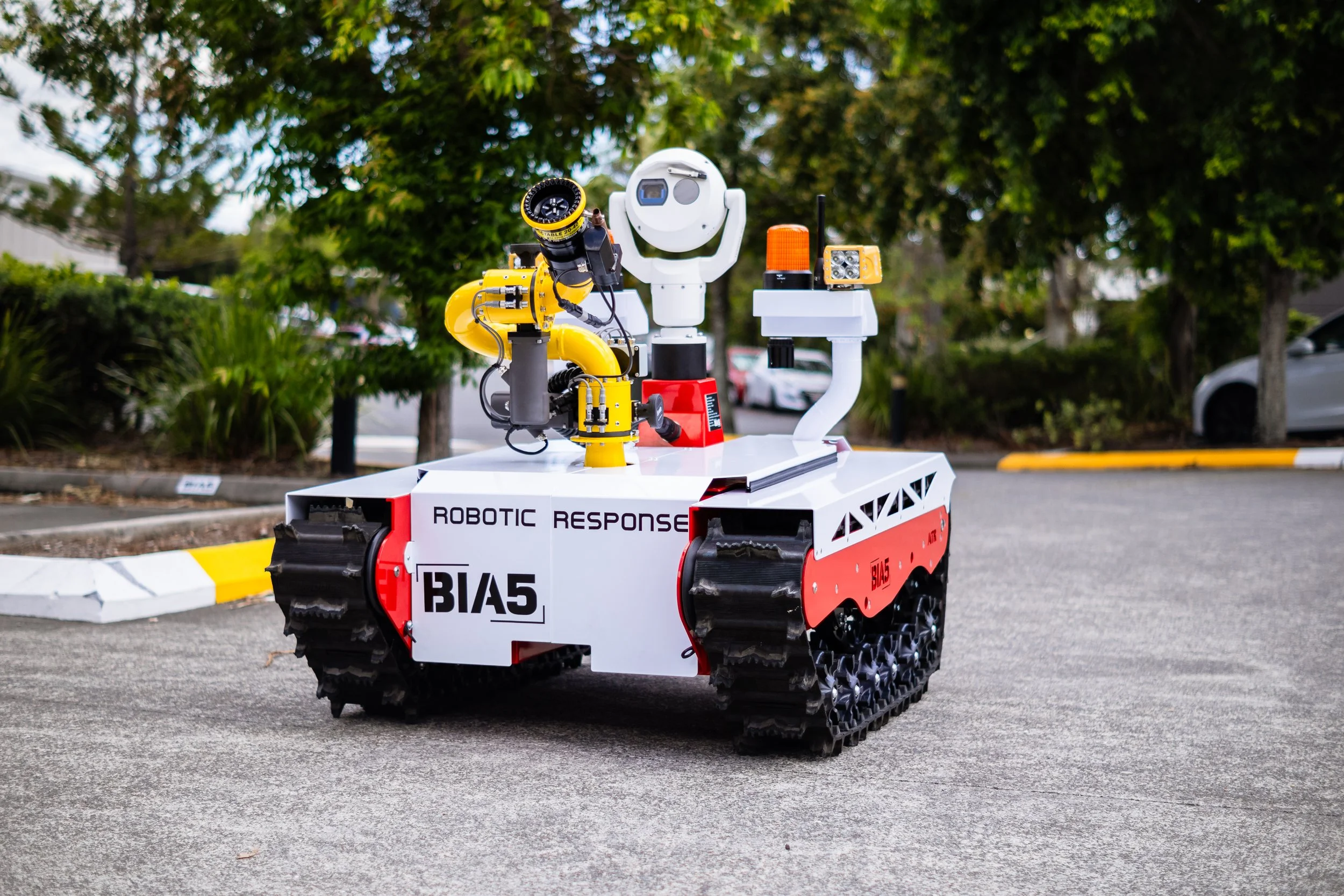
BIA5 All Terrain Robot - Firefighter Platform
We partnered with BIA5 to deliver electronics design, software development, and control systems integration for the All-Terrain Robot – Firefighter (ATR-FF). Designed for operation in hazardous environments, the ATR-FF enables remote fire suppression where human access is unsafe or impractical. The system is now deployed with Tier 1 mining companies, helping protect personnel, preserve high-value assets, and reduce the impact of fire events on operations.
Cyborg have now delivered software and electronics control for 6 systems deployed in the Pilbara.
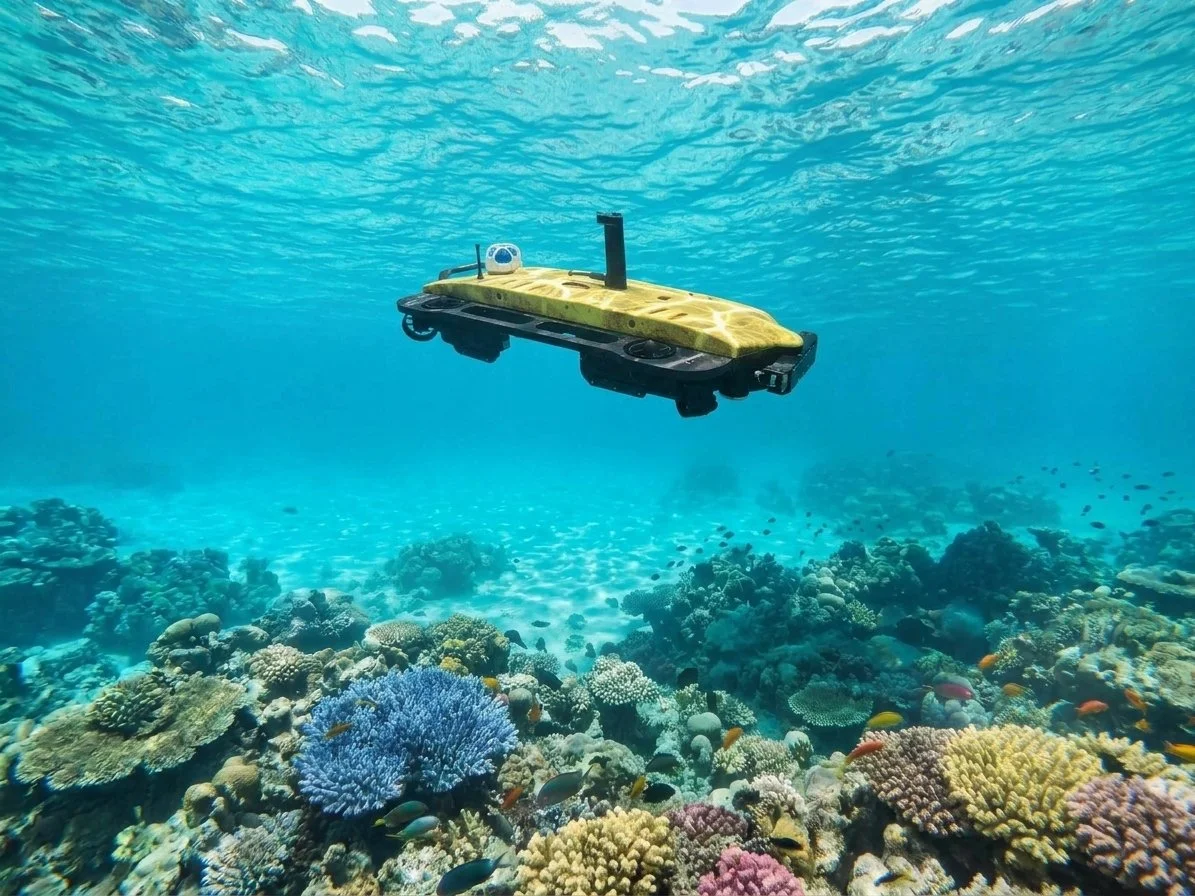
Autonomous Underwater Vehicles
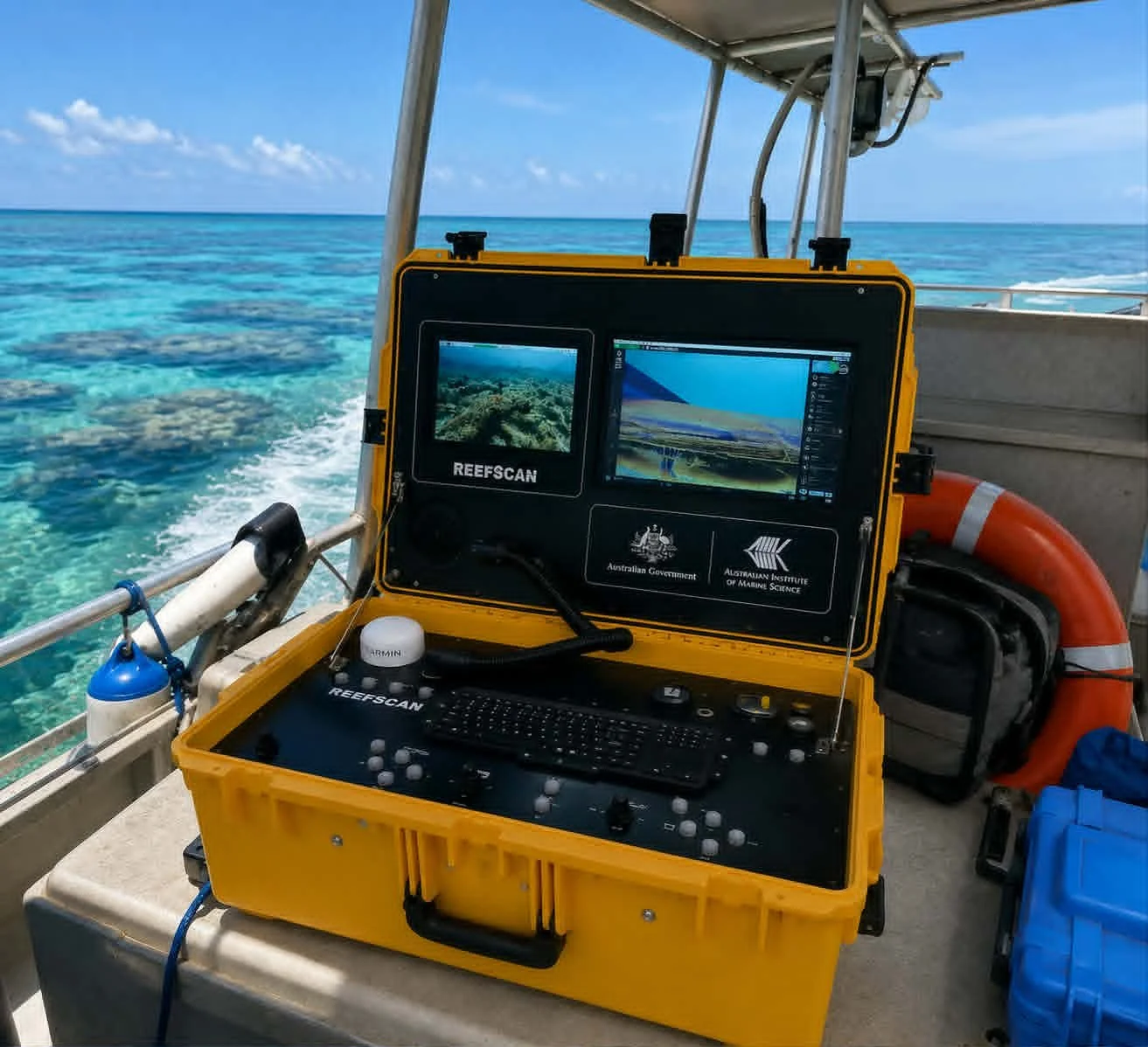
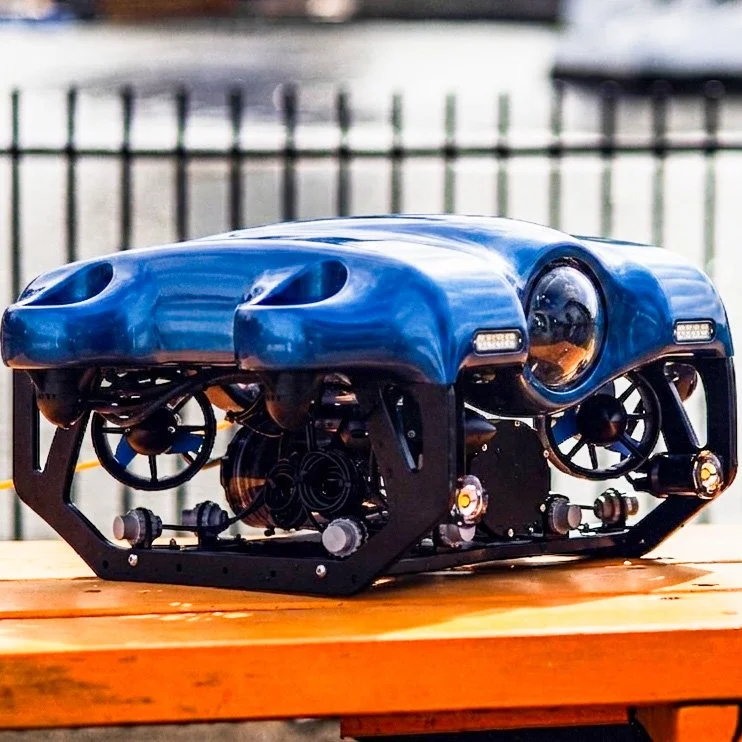
Cyborg Autonomy worked with AIMS on the development of the REEFScan Deep AUV and the CoralAUV (pictured above). This included the following scope of work:
Electronics redesign of CoralAUV for robustness
Software architecture updates to incorporate new ROS modules
Attitude controller for Deep AUV
Supporting other improvements identified during the product for future builds
Collision avoidance development for Deep
Ground Control Station design for Deep
Multi-Agent Reinforcement Learning for Ground Robotics
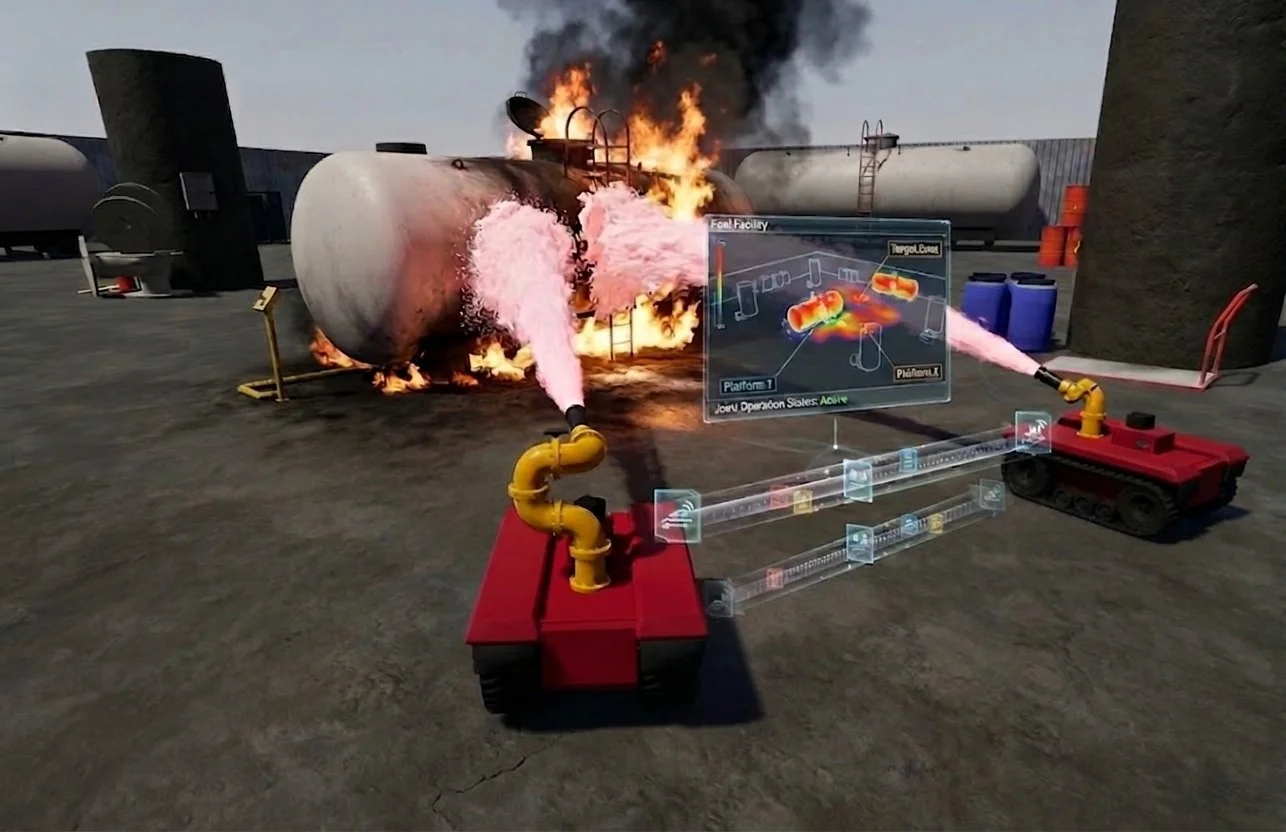
Deep reinforcement learning (DRL) developed for the control of mobile robot teams within the context of navigation and task-based collaborative scenarios. We applied a DRL policy with a tailored neural network architecture as a solution to control, path planning, and higher-level guidance tasks.
Our network architecture was trained using a unique multi-stage curriculum that progresses from single-agent navigation, to multi-agent pathfinding with obstacles, and finally to a complex collaborative firefighting scenario.
This structured approach accelerates training convergence by systematically building sophisticated collaborative behaviours upon foundational skills, which enhances training stability and guides the agents towards learning effective and coordinated strategies The policy evaluation was conducted in both simulation and hybrid simulation-physical demonstrations utilising a real unmanned ground vehicle (UGV).