
Project: AUV Inspection Platform Development
Client: Griffith University
Scope: Concept → Commercially Viable Product
This project brought together Griffith University, Queensland University of Technology, The University of Queensland and the University of the Sunshine Coast, with Cyborg Autonomy and KJR as industry partners.
The goal was to turn existing subsea AI research into a commercially viable autonomous underwater vehicle (AUV) for real-world inspection.
Industry outreach initially focused on aquaculture, including fish and prawn farms. However, extreme turbidity—often providing less than 20 cm visibility—made visual inspection impractical. Further research identified a stronger opportunity in underwater infrastructure and ship hull inspection.
These inspections are often performed by divers who capture large amounts of video for later review. Analysts can then spend hundreds of hours manually searching footage for defects, invasive species and other objects of interest.
Our solution focused on a low-cost, easy-to-operate AUV capable of working in low-visibility environments.
The vehicle uses GPS at the surface to reach the inspection area, then low-cost sonar to locate and track structures such as walls, pylons and ship hulls. Once the target is visible, the AUV transitions to a stereo vision SLAM system for accurate localisation and movement tracking.
Cyborg’s modular architecture enabled the autonomy, sensing and navigation systems to be integrated cost-effectively. We also developed a graphical user interface for PC and Android, making mission setup and vehicle operation straightforward.
The result was a practical pathway from university research to a commercially focused autonomous inspection platform.
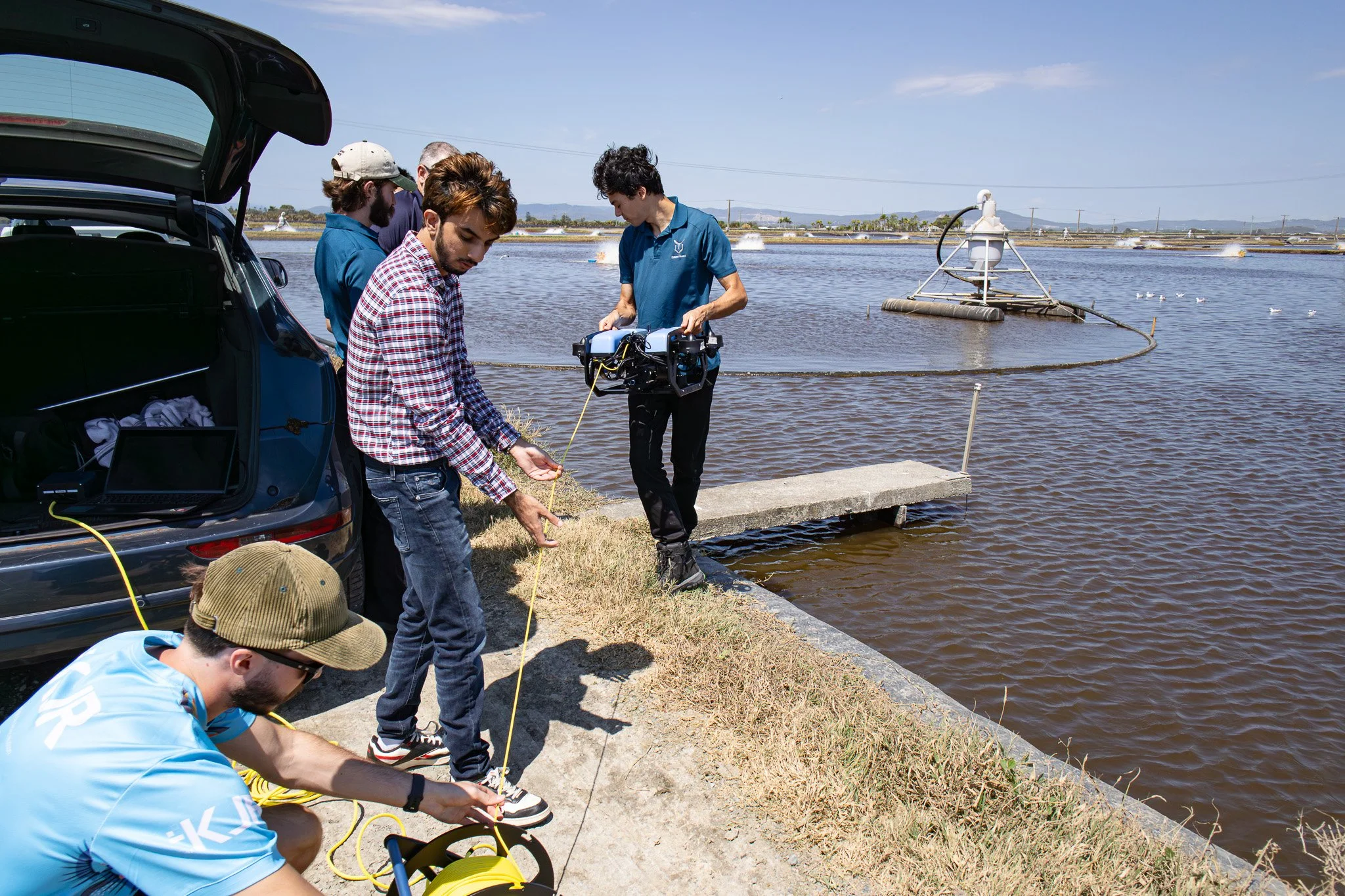
Autonomous control enables high quality data capture, even with low visibility
Visibility was 60cm in this video
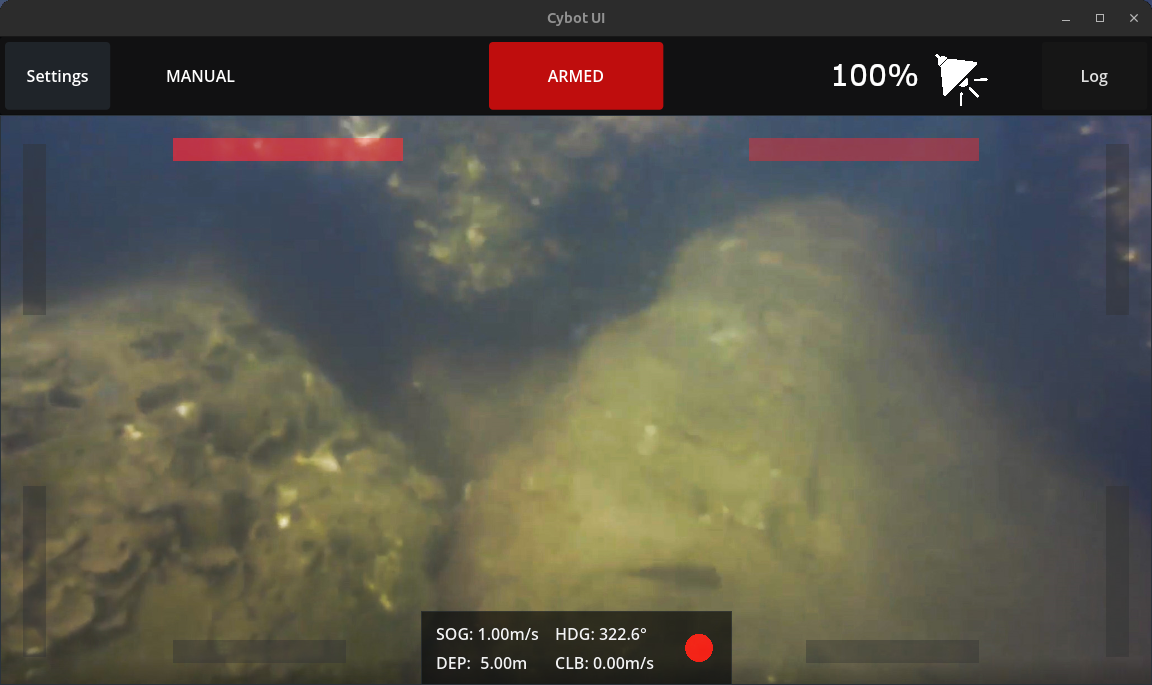
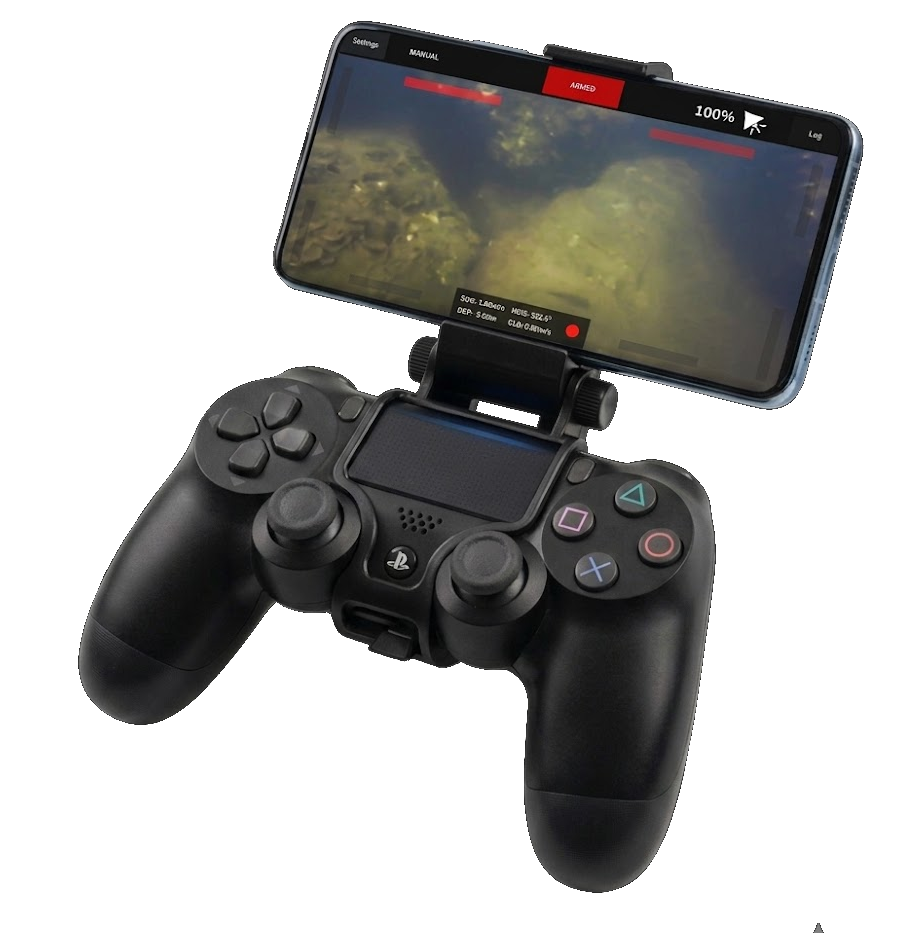
Control Software - compatible with Android for a low-cost, easy to use control solution